1. Space Efficiency That Maximizes Land Value
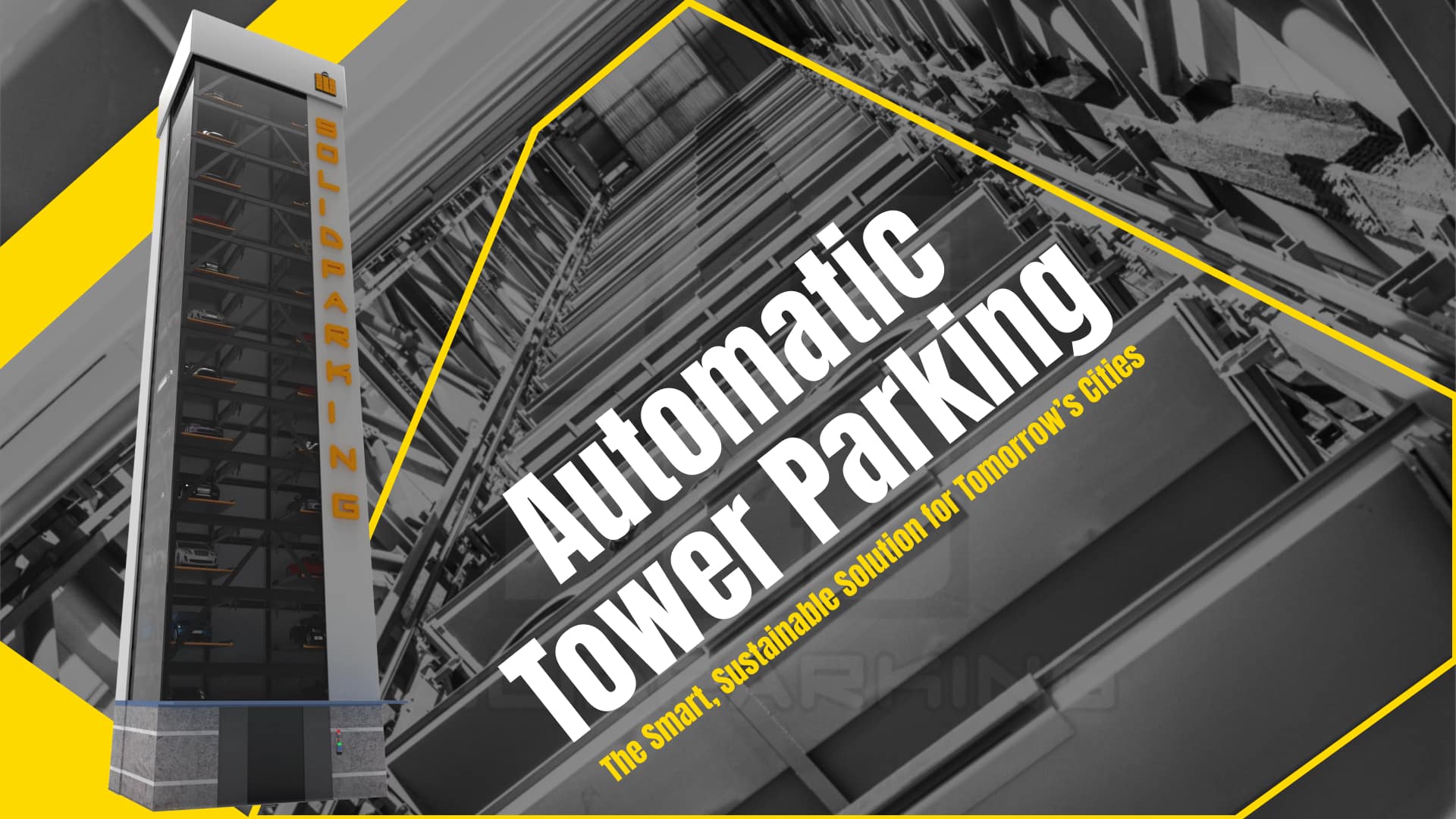
Automated tower parking can fit two to three times more cars on the same plot of land compared to a traditional garage. For developers, this means:
· More leasable square meters for retail or office space.
· Smaller footprints for parking requirements in mixed-use projects.
· The ability to develop on sites once considered “too small” for conventional parking.
2. Speed and Convenience for Users
No circling, no ramps, no frustration. Drivers simply hand over their car at the entry point, and the system does the rest. Retrieval typically takes less than a minute, making it faster than most traditional garages during peak hours.
3. Safety by Design
Safety is built in from the ground up. Automated tower parking systems use:
· Anti-fall and anti-overlap devices.
· Emergency stop and power backup.
· Real-time monitoring sensors.
· Fire safety integrations.
Because drivers and pedestrians don’t enter the parking area, accidents and theft risks are also reduced.
Here’s a simplified diagram showing how safety systems are layered in an automated tower parking system:
┌─────────────────────────┐
│ Automated Tower │
│ Parking Shaft │
└─────────────────────────┘
│
┌──────────────┴──────────────┐
│ │
┌──────────────┐ ┌──────────────┐
│ Vehicle on │ │ Vehicle on │
│ Pallet A │ │ Pallet B │
└──────────────┘ └──────────────┘
│ │
▼ ▼
┌──────────────────────────────┐
│ SAFETY SYSTEMS IN ACTION: │
│ │
│ – Anti-fall locks on rails │
│ – Overlap sensors on pallets │
│ – Load & height sensors │
│ – Emergency stop controls │
│ – Backup power supply │
│ – Fire detection & sprinklers│
└──────────────────────────────┘
│
┌─────────────────────┐
│ User Interface Zone │
│ (Touchscreen / Card)│
└─────────────────────┘
This diagram highlights the two levels of safety:
· Inside the tower → where all mechanical and digital protections keep vehicles safe.
· At the user level → where interaction is simple, safe, and fully separated from machinery.
4. Energy Efficiency and Sustainability
Traditional garages require constant ventilation, lighting, and large amounts of concrete. Automated tower parking is lighter on both materials and energy. Systems use efficient motors, low-noise drives, and often include standby modes to conserve electricity.
Some projects even integrate solar panels on the façade or connect to renewable grids, making them an ally in sustainable urban design.
📖 Related: Learn more about
Parksmart sustainable parking certifications.
From Concrete to Carbon Conscious: The Evolution of Parking and SolidParking’s Green Revolution
5. EV-Ready Infrastructure
As electric vehicles become mainstream, automated tower parking is keeping pace. Many systems include built-in EV charging bays, allowing cars to recharge while parked. Developers can even design towers with fast-charging infrastructure to future-proof their projects.
6. Customizable Design for Any Project
One size doesn’t fit all — and that’s the beauty of tower parking. The outer appearance can match the surrounding architecture, whether that’s a glass façade for a modern office tower or a green wall for an eco-friendly residential block. Capacity, height, and finishes are also adaptable.
7. ROI and Long-Term Value
The upfront cost may be higher, but the long-term return is clear. By increasing capacity on limited land and attracting tenants who value modern amenities, automated tower parking boosts rental income and overall property value.