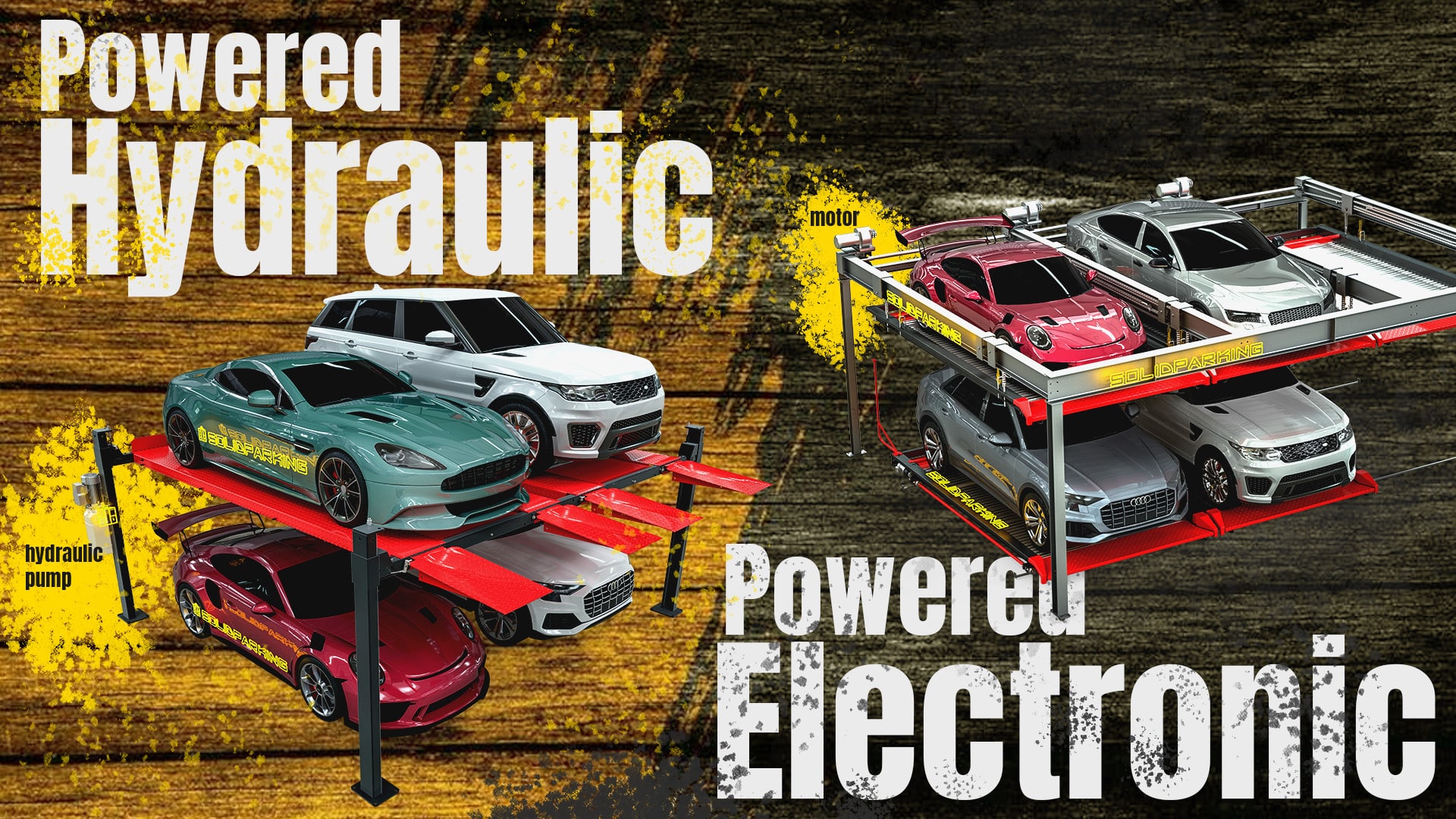
Hydraulic car lifts are one of the most popular ways to lift vehicles in garages and workshops today—and for good reason. They’re powerful, reliable, and widely used in many projects around the world. But when choosing the right system, many people start comparing a hydraulic with an electric to see which option works best for their space, needs, and long-term use.
Table of Contents
1. Why Choosing the Right Car Lift Matters
Planning a car lift installation isn’t just about picking equipment—it’s about safety, efficiency, and long-term value. Choosing the right system, whether a hydraulic one or an electric one, ensures your garage or workshop operates smoothly while avoiding costly mistakes.
Hydraulic lifts dominate in workshops due to their high lifting power, while electric hoists excel in automated or multi-directional parking systems. Knowing the differences early helps you avoid installation headaches and optimize your space.
2. Car Lift Installation Basics
Before installing, several critical factors must be considered:
Foundation:
Reinforced concrete slab, 4–6 inches thick
Minimum compressive strength: 3000 PSI
Proper anchoring for columns
Electrical Requirements:
Hydraulic lifts: 110V/220V (motor powers pump)
Electric hoists: motor-driven, often 220V or three-phase for larger lifts
In most traditional garages, hydraulic systems dominate installations, while electric hoists are growing in popularity for high-density automated parking.
6. Where Each Lift Type Works Best
Hydraulic Car Lifts:
Automotive workshops
Residential garages
Dealership storage bays
Electric Car Lifts:
Automated parking structures
Puzzle parking garages
Robotic or high-rise parking towers
Tip: Choose hydraulic for vertical lifting of heavy vehicles, and electric if automation or horizontal movement is required.
7. Installation, Cost, and Maintenance Considerations
Hydraulic Lifts:
Lower upfront cost
Require periodic hydraulic oil checks
Simple, durable design
Electric Lifts:
Higher initial investment
Mechanical maintenance of gears/chains
Ideal for automation and precision
8. Final Buying Guide
Hydraulic: Choose if you need high lifting power, reliability, and simpler installation.
Electric: Choose if automation, horizontal movement, or high-rise integration is required.
Always consult the manufacturer’s installation manual and consider professional installation services for setups.
Q1: What is the difference between a hydraulic car lift and an electric one?
A: Hydraulic lifts use fluid pressure, electric ones use motors and mechanical drives. Hydraulic systems provide high lifting power, electric systems excel in automation.
Q2: What is required for proper car lift installation?
A: Reinforced concrete, sufficient ceiling height, and dedicated electrical supply are essential.
Q3: Which lift is best for home garages?
A: A hydraulic car lift is preferred for simplicity, cost, and lifting heavy vehicles.
Q4: Are hydraulic car lifts safe for daily use?
A: Yes. When installed correctly and maintained, hydraulic lifts are safe and reliable for workshops and residential garages.