Before we dive in, a quick note—this article is Part 1 of a 4-part series designed to help developers, architects, and business owners solve one of the most common challenges in modern projects: the “space vs. revenue” bottleneck in parking.
If you’re looking to scale your parking capacity without buying more land, this series breaks down the math, the mechanics, and the money. We start with the footprint and end with the ROI.
Key Takeaways
Space-saving car stackers use vertical space to increase parking density
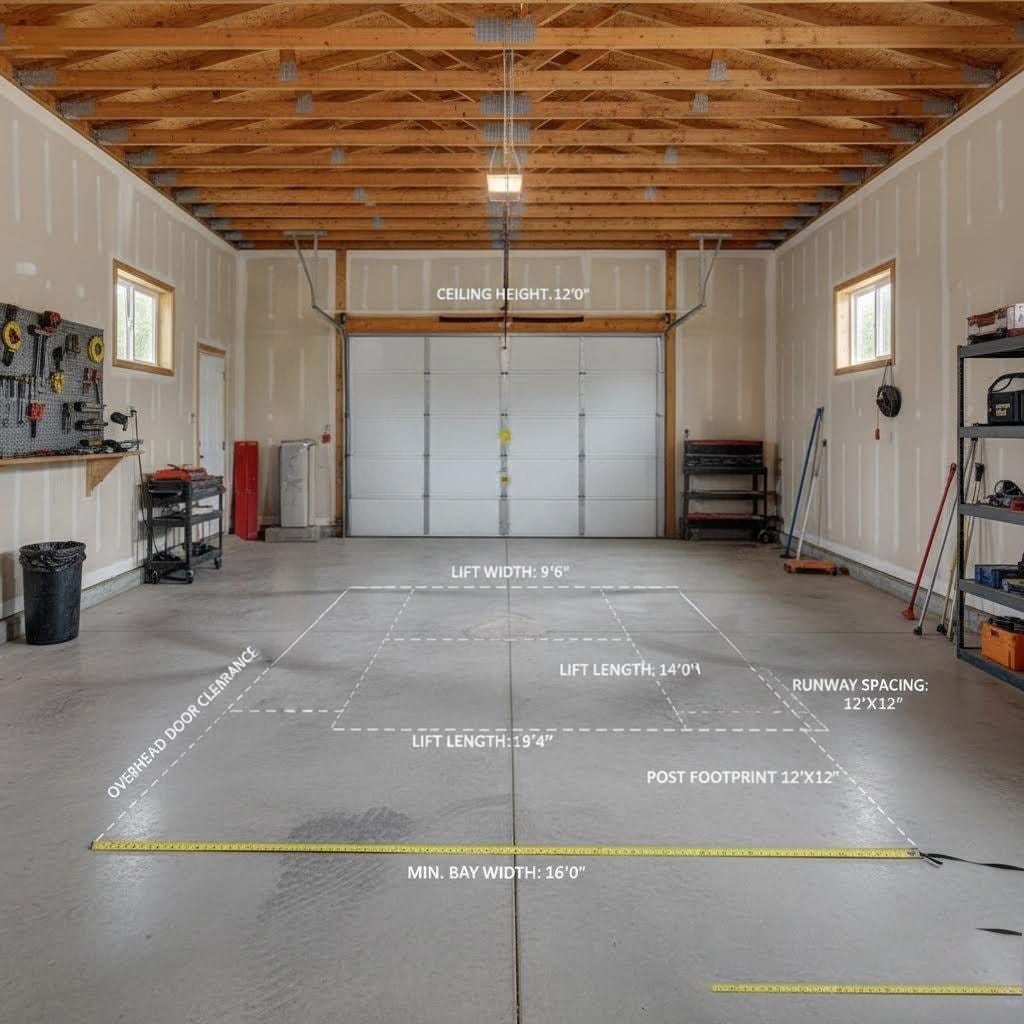
Most systems require approximately 10–15 feet of ceiling height
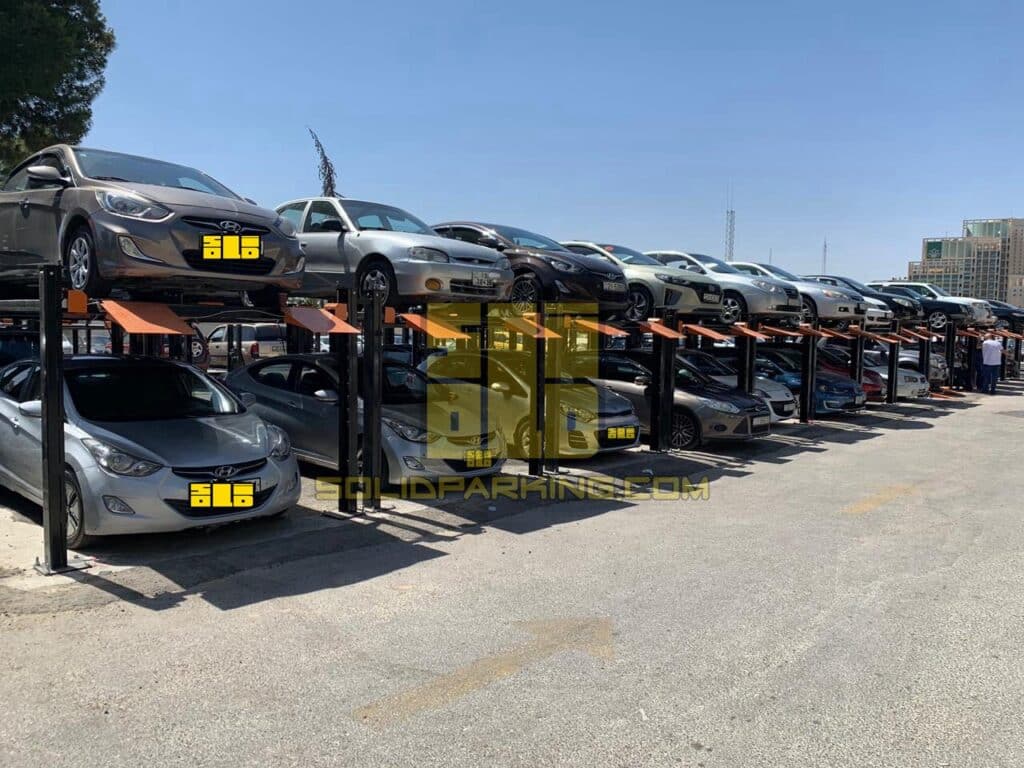
They can double or triple parking capacity within the same footprint
Vertical car storage reduces the need for land expansion
These systems improve ROI in automotive and commercial projects
Table of Contents
Introduction
Parking is no longer just a convenience—it’s a limiting factor in development economics. Rising land costs and increasing density requirements have made traditional parking solutions less viable for many projects.
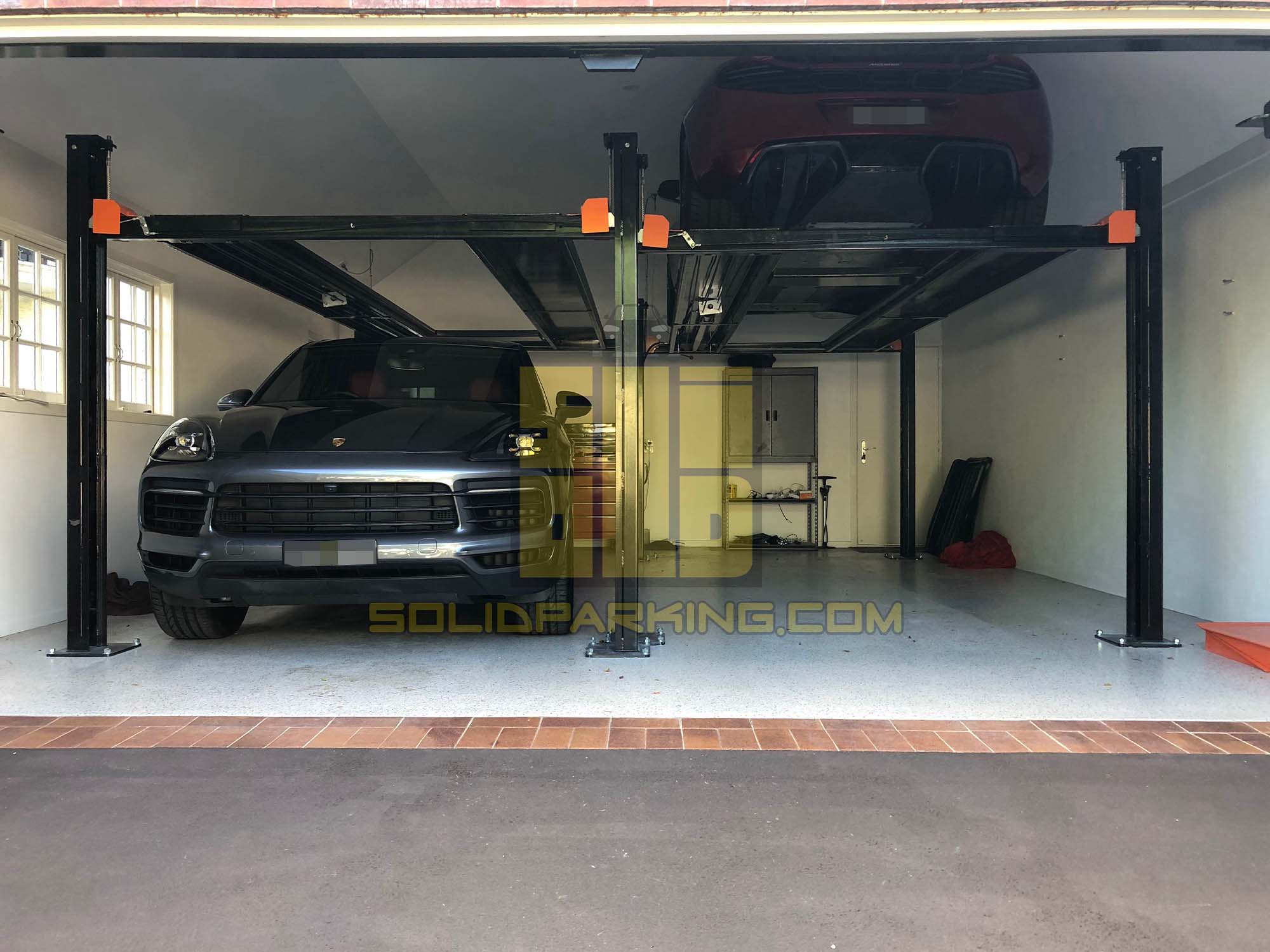
A space-saving car stacker is a mechanical parking system designed to enable vertical car storage, allowing multiple vehicles to occupy the footprint of a single parking space.
In this first part of the series, we focus on maximizing every square inch of your existing lot and understanding how vertical stacking transforms unused overhead space into functional parking capacity.
What is a Space-Saving Car Stacker?
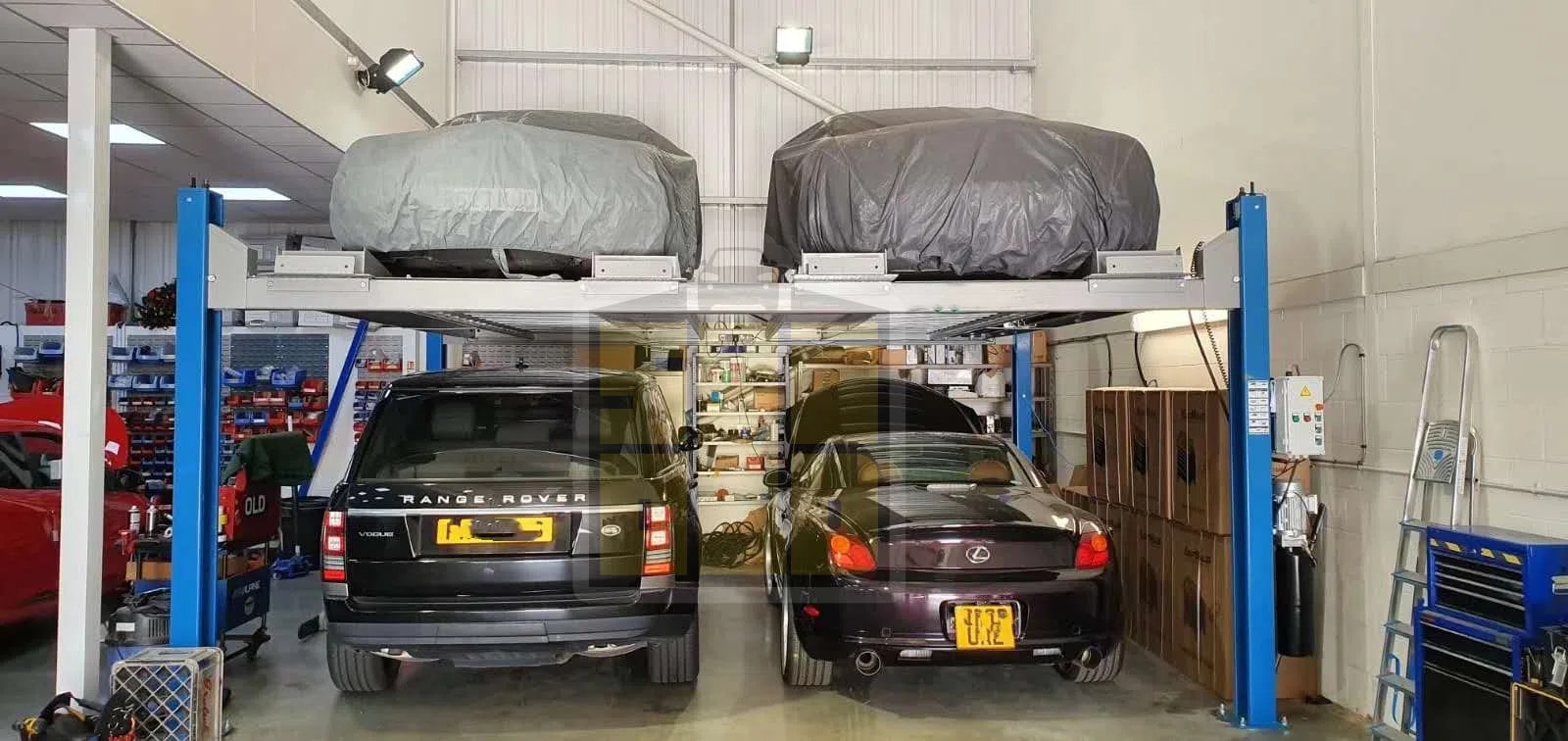
A space-saving car stacker is a mechanical system that stores vehicles vertically using hydraulic or mechanical lifting platforms. Instead of parking cars side-by-side, vehicles are stacked above one another within the same footprint.
Each configuration serves different operational needs, depending on access, capacity, and structural conditions.
This approach enables efficient vertical car storage, making it possible to significantly increase parking density without expanding land or constructing additional structures.
At its core, this solution addresses one of the most pressing challenges in modern development: how to increase capacity while controlling cost and space constraints.
Why Parking Capacity Is a Growing Problem
Urban environments continue to face:
Increasing land acquisition costs
Limited availability of buildable space
Zoning regulations requiring minimum parking
Inefficient use of horizontal parking layouts
Traditional parking structures often require large footprints and significant capital investment. In contrast, mechanical systems allow developers to rethink parking as a vertical asset rather than a horizontal limitation.
How to Increase Parking in a Small Space
A mechanical car stacker allows property owners to utilize vertical space (typically 10–15 feet) to park two or three vehicles in the footprint of one parking stall. This approach is widely considered the most cost-effective way to scale parking capacity without expanding land or constructing new structures.
By stacking vehicles vertically, you effectively multiply parking capacity while maintaining the same ground footprint.
Comparison: Traditional Parking vs Space-Saving Car Stackers
Feature
Traditional Parking
Space-Saving Car Stackers
Land Usage
High
Low
Capacity
1 car per space
2–3 cars per space
Expansion Required
Yes
No
Cost Efficiency
Lower
Higher
Vertical Utilization
Minimal
Maximized
Step-by-Step: Implementing a Space-Saving Car Stacker
What is the main advantage of a space-saving car stacker?
The main advantage is increased parking capacity within the same footprint by utilizing vertical space instead of horizontal expansion.
How much ceiling height is required for vertical car storage?
Most systems require approximately 10.5 to 15 feet of ceiling height, depending on vehicle type and configuration.
Are space-saving car stackers cost-effective?
Yes, they reduce the need for land acquisition and large-scale construction, making them a cost-effective solution for increasing parking capacity.
Can space-saving car stackers accommodate SUVs?
Yes, but SUV-compatible systems require greater clearance (typically around 13.5–14 feet) and higher load capacity.
Summary
Space-saving car stackers are mechanical systems that enable vertical car storage, allowing multiple vehicles to be parked within a single footprint. By utilizing vertical space, these systems significantly increase parking capacity without requiring additional land or construction. They are widely used across commercial, residential, and automotive applications to improve efficiency and ROI.
Conclusion: The First Step Toward High-Density Parking
If your goal is to scale parking without expanding your footprint, the foundation begins with understanding how vertical space can be transformed into usable capacity.
A space-saving car stacker provides a practical, scalable, and cost-efficient solution to one of the most persistent challenges in modern development.